Hospice
What hospice looks like in a Texas home
Hospice is for someone whose illness is no longer being treated with the aim of a cure, and whose doctor expects about six months or less if the illness runs its usual course. The goal turns to comfort: pain under control, breathing easier, fewer trips to the ER, and time spent the way your loved one wants, often at home with family close.
In Texas, hospice agencies are licensed by Texas Health and Human Services as home and community support services agencies with a hospice category. Most also hold Medicare certification. Some run an inpatient hospice unit for short stays when symptoms can't be managed at home.
Texas is a big place. In Houston, Dallas or San Antonio, a nurse can usually be at the door within a couple of hours at night. Out in the Hill Country, the Panhandle or the Valley, ask each hospice which towns it truly covers and how long a night visit takes before you sign on.
What a Texas hospice team brings
Comfort nursing
Regular nurse visits to manage pain, breathing and other symptoms, with medicines adjusted as needs change.
A whole team
A hospice doctor, nurses, aides for bathing, a social worker, a chaplain and volunteers working from one plan.
Equipment delivered
Hospital bed, wheelchair, oxygen and supplies related to the illness, brought right to the home.
A nurse by phone, always
A 24-hour line staffed by nurses, so a 2 a.m. question doesn't turn into a 911 call.
A break for caregivers
Respite stays of up to five days so the family can rest, and inpatient care when symptoms can't be managed at home.
Grief support
Calls, groups and counseling for the family for about a year after a death.
Signs families often notice first
- Plates coming back mostly full, week after week
- More time in bed, less energy for visitors
- Infections or wounds that keep coming back
- Repeat falls or hospital stays
- Getting winded doing simple things
- A quiet sense that they are tired of treatment
How Texas Senior Care Network helps with hospice
We listen first
Tell us what's going on with your mom, dad or whoever you're caring for, and a Texas Senior Care Network guide helps you sort out the hospice options, free. No sales pitch.
Every licensed option near you
We pull the hospice providers near you from Texas Health and Human Services licensing records, Medicare Care Compare and the federal NPI registry, nearest first, with Medicare star ratings and Google ratings where they exist.
You choose who hears from you
Check the providers you want, and we send your information to those and nobody else. Families never pay, and no provider pays us a referral or placement fee. Premium listings are paid advertising and are labeled.
Questions to ask a Texas hospice
Bring these on a call or a tour. A good provider will be glad you asked.
- Which towns and ZIP codes do you actually serve, and how far do your nurses drive?
- At night, how long until a nurse is at the door?
- How many nurse and aide visits should we expect each week?
- Where do patients go when symptoms can't be managed at home?
- How do you work with assisted living or nursing home staff?
- Do you have Spanish-speaking nurses and aides?
- How do your Medicare family survey scores compare with other hospices nearby?
Hospice: common questions
See all 37 hospice questions and who to call
Is hospice only for the last few days?
No. Families often say they wish they had called sooner. Hospice can help for months, and someone who stabilizes can leave hospice and come back later if needed.
Can someone get hospice in a Texas assisted living facility?
Yes. The hospice team visits and works alongside the facility staff, who keep providing day-to-day care.
How do I check a Texas hospice's license?
Hospice agencies are licensed by Texas Health and Human Services, which publishes a directory of licensed agencies. Medicare's Care Compare shows survey results and family ratings for Medicare-certified hospices.
What if we want to switch hospices?
Medicare allows one change of hospice provider in each benefit period. The new hospice helps with the paperwork.
Does hospice mean giving up on Texas's Out-of-Hospital DNR?
No, they work together. An Out-of-Hospital DNR tells EMS not to attempt resuscitation, which many hospice families want in place at home. The free form is from the Texas Department of State Health Services.
On the Texas care map
1,288 hospice providers listed in Texas
Most in Houston, San Antonio, Dallas, El Paso, Plano, Fort Worth. Search by city or ZIP, or ask a guide to find the right fit for free.
Are you a hospice provider? Premium listings show first on the care map, with your logo, a photo gallery and a virtual tour.
Resource hub
Guides that help with this decision

Other kinds of care we help families find
 Home Health
 Mobile Medical Care
 Home Infusion
 In-Home Personal Care
 Senior Living
 Assisted Living
 Memory Care
 Skilled Nursing & Rehab
 Adult Day
 Respite Care
 Case & Care Management
 Medical Equipment
 Home Modification
 Long-Term Care Pharmacy
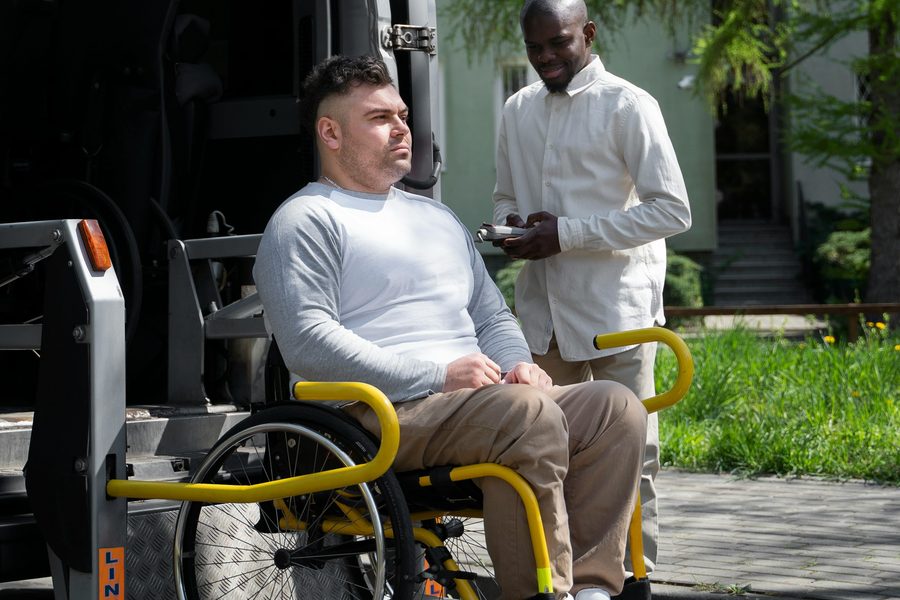 Medical Transportation
 Dialysis
 Hospitals
 Addiction Recovery
 Mental Health
Sources
- Medicare.gov: Hospice care
- Medicare Hospice Benefits (official booklet)
- Medicare.gov: Care Compare
- Texas HHS: Home and community support services agencies
- Texas DSHS: Out-of-Hospital Do-Not-Resuscitate program
This page is general information, not medical, legal or financial advice. Coverage rules change; confirm details with the program or your plan. Last reviewed October 31, 2026.
